Hackney Council parking permit rules for removals vans: what you need to know before move day
If you are planning a house move, office move, or a simple man and van job in Hackney, the parking side of things can catch you out faster than the lifting itself. The Hackney Council parking permit rules for removals vans matter because a perfectly organised move can still go wrong if the vehicle cannot stop legally, load safely, or stay long enough for the job. And in Hackney, where roads can be narrow, bays can be busy, and timing matters, that is not a small detail.
This guide breaks the topic down in plain English. You will find out why the rules matter, how parking permissions usually work, what to check before you book a removals van, and how to avoid the sort of messy last-minute problem that makes a moving day feel longer than it already is. Truth be told, parking is often the difference between a calm move and a slightly chaotic one.
Where relevant, this article also points you to useful service pages such as removals, man and van services, and moving van hire so you can plan the move around the permit issue, not the other way around.
Table of Contents
- Why Hackney Council parking permit rules for removals vans Matters
- How Hackney Council parking permit rules for removals vans Works
- Key Benefits and Practical Advantages
- Who This Is For and When It Makes Sense
- Step-by-Step Guidance
- Expert Tips for Better Results
- Common Mistakes to Avoid
- Tools, Resources and Recommendations
- Law, Compliance, Standards, or Best Practice
- Options, Methods, or Comparison Table
- Case Study or Real-World Example
- Practical Checklist
- Conclusion
- Frequently Asked Questions
Why Hackney Council parking permit rules for removals vans Matters
Parking permissions matter because removals vehicles are not like a normal car popping in for five minutes. A van or lorry often needs space close to the property, enough time to load bulky furniture, and a legal place to stop without blocking traffic or attracting enforcement. In a dense borough like Hackney, that can be tricky even on a quiet-looking street.
If you ignore the parking side, a few things can happen. The vehicle may have to park too far away, which means longer carries, extra labour, and more time spent walking wardrobes, white goods, or boxes up and down the pavement. Or it may end up in the wrong bay or on a restriction, which can lead to a penalty or an awkward knock on the cab window mid-move. Not ideal.
There is also the safety angle. A removals van stopping legally and sensibly is easier to load, easier to supervise, and less likely to create friction with neighbours, traffic, or building management. That is one of those unglamorous jobs that pays off immediately.
For customers, this is not just about rules. It is about keeping the move on schedule and reducing stress. If you have ever stood in a hallway while a sofa refuses to clear the stairwell, you will know that the last thing you need is a parking issue on top of it.
How Hackney Council parking permit rules for removals vans Works
The exact arrangement can depend on the street, the type of bay available, local restrictions, and the size of the vehicle. In practice, removals parking is usually a blend of planning, checking restrictions, and making sure the van driver knows where they can stop, for how long, and whether any temporary suspension or special permission is needed.
Here is the plain-English version: a removals van may be able to park in an ordinary bay if the bay rules allow it, but some streets have resident-only parking, timed restrictions, loading limits, or permit controls. On some jobs, the issue is not whether the van can enter the street, but whether it can stay in one place long enough to complete the load safely. That is the bit people sometimes miss.
If the move is in a busier part of Hackney, you should assume parking needs checking early. Lanes, yellow lines, controlled parking zones, and narrow access roads can all affect where the vehicle can sit. A move with a removal van or removal truck hire may need more space than a smaller car-derived van, so vehicle size matters too.
In our experience, the safest approach is to treat parking as part of the move plan, not an afterthought. You want the lift route and the parking spot working together. Sounds obvious, but you would be surprised how often this gets left until the night before.
What usually needs checking
- Whether the street has resident permit bays, shared-use bays, or loading-only restrictions.
- Whether the vehicle can legally wait long enough for the removal window.
- Whether a temporary bay suspension or dispenser arrangement is needed.
- Whether access is tight enough to require a smaller vehicle or a different unloading plan.
- Whether building rules, concierge rules, or estate management add extra conditions.
Key Benefits and Practical Advantages
Planning around Hackney parking rules is not just about avoiding problems. Done properly, it makes the whole move smoother and often cheaper. That is especially true if you are booking professional help like house removals or office removals, where time on site has a direct effect on the day's flow.
Here is the practical upside:
- Shorter carrying distance between property and vehicle, which saves time and effort.
- Lower risk of damage because items are moved fewer times and over shorter distances.
- Less disruption to neighbours, pedestrians, and traffic.
- Better crew efficiency because the team can keep a rhythm instead of waiting for a legal parking spot.
- Reduced stress for you on a day that already has enough moving parts.
There is another benefit that people overlook: confidence. When parking is sorted, the rest of the day feels more manageable. You are not standing on the pavement wondering if a warden is about to appear. You are not reshuffling boxes to create a gap for the van. You are simply moving.
For larger or more commercial jobs, the parking plan can also support better scheduling. If you are arranging commercial moves, a clear loading plan matters because other staff, landlords, or neighbours may be affected by the vehicle's arrival and departure.
Who This Is For and When It Makes Sense
This topic matters to anyone using a removals vehicle in Hackney, but some readers need it more urgently than others. If you are moving from a terraced street, an apartment block, a shared house, or a commercial unit with limited kerb space, the permit and parking question becomes central very quickly.
It is especially relevant if you are:
- moving home in a controlled parking zone;
- booking a man with a van for a same-day collection;
- moving large furniture from a flat with no off-street parking;
- relocating an office where multiple loads may be needed;
- fitting the job into a tight time window, such as before school-run traffic or after work hours;
- dealing with a property management team that wants everything pre-approved.
Even if you are using a smaller van, do not assume parking will be easy. Hackney streets can change character from one corner to the next. A road that looks straightforward on a map can become awkward in real life, especially if there are loading restrictions, school gates, or local traffic pinch points. Quite a lot hinges on that first fifty metres outside the door.
If your move is residential and you want a more all-in service, the page on home moves is a useful starting point. If you are comparing vehicle types, man and van removals and man with van can help you think through the practical fit.
Step-by-Step Guidance
If you want to avoid a rushed morning, use a simple process. It does not have to be complicated. In fact, the less fancy it is, the better it tends to work.
- Confirm the move date and rough loading time. Try to pin down the hour, not just the day. Parking rules are often time-sensitive.
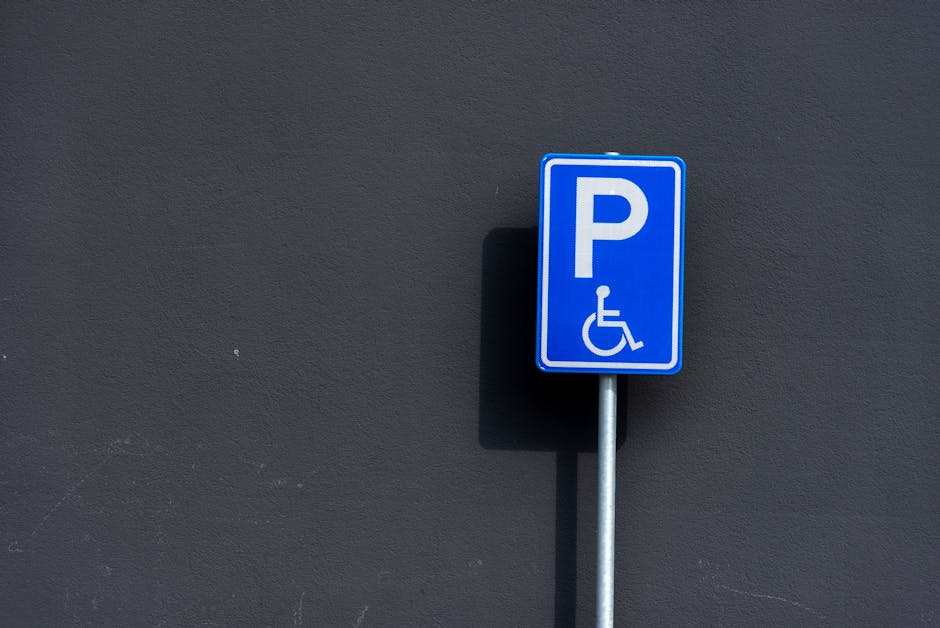
- Check the street outside both properties. Look for bays, yellow lines, permit signs, and any obvious loading restrictions. If you can, stand there at the same time of day you expect the move.
- Match the vehicle to the access. A larger removal truck may be efficient, but only if it can stop sensibly near the entrance. For tighter streets, a moving van may be the better fit.
- Ask whether any temporary parking arrangement is needed. This is where local rules, estate permissions, and building management can come into play.
- Build in a buffer. If the permit or parking arrangement is borderline, allow more time than you think you need. Moving day has a habit of stretching. Always.
- Brief the driver or removals team. Make sure they know the exact address, entrance point, and any access instructions. A van parked beautifully at the wrong entrance is still a headache.
- Prepare the loading route. Keep corridors clear, reserve lift access if needed, and stage items near the exit only where safe.
A small but useful habit: take a couple of photos of the parking area and signposts before the move. That way, if there is any confusion on the day, you have a visual reminder. Nothing dramatic, just sensible.
Expert Tips for Better Results
The best parking plans are usually the boring ones. Clear, early, and written down. That is the honest answer.
Practical tips that tend to help:
- Do a dry run the day before. Walk from the property to the likely parking spot. Notice kerbs, corners, tight bends, and anything that might make carrying harder.
- Think about neighbours and delivery timings. If everyone on the street is doing school runs at the same time, your move may slow down no matter how good your plan is.
- Choose the vehicle size with purpose. Bigger is not always better. Sometimes a slightly smaller van is easier to park legally and can save time overall.
- Keep the lift route free. If the vehicle has to park a little further away than expected, you will want an uncluttered path inside.
- Allow for weather. Wet pavements, icy patches, or a windy staircase can make even a short carry more awkward than it looks from the street.
One thing that comes up often is overconfidence. People see a "few boxes and a mattress" situation and assume parking will be simple. Then a sofa arrives, the bed frame appears, and suddenly the job needs more time, more space, and better planning. Funny how that happens.
If you are comparing support levels, it can help to look at removal services alongside packing help such as packing and unpacking services. Better packing usually means fewer trips, which can make parking pressure easier to manage.
Common Mistakes to Avoid
Most parking problems on move day are preventable. They usually come from rushing, guessing, or assuming a van can stop anywhere for "just a minute." That minute has a way of becoming expensive.
- Leaving parking until the morning of the move. By then, you are already juggling keys, boxes, and people.
- Assuming a loading bay is automatically fine. Some loading spaces are time-limited or subject to other conditions.
- Ignoring the difference between a van and a truck. A vehicle that is legal in one spot may not fit well in another.
- Not checking if the building has its own rules. Estates and apartment blocks often have separate arrangements.
- Forgetting about the return journey. Parking at the destination matters too, not just the collection point.
- Underestimating how long the load will take. Moving a wardrobe through a narrow stairwell is rarely a five-minute task.
There is also a subtle mistake: planning only for ideal conditions. Real life in Hackney includes traffic, other parked vehicles, bins out on the pavement, and the occasional over-friendly neighbour asking whether you are "nearly done yet."
Tools, Resources and Recommendations
You do not need a giant toolkit to get parking right, but a few simple resources make life easier. Most of them are basic, which is rather the point.
- A written move plan with times, addresses, contact names, and access notes.
- Photos of the street and signage at both properties.
- Measure tape or a rough idea of the biggest items, especially wardrobes, sofas, fridges, and office desks.
- A building contact if you are moving into or out of a managed property.
- Clear labelling so the team can load in order, which reduces time on the kerb.
For a smooth booking experience, it is also worth looking at pricing and quotes. Transparent pricing helps you judge whether a smaller vehicle, a longer booking window, or a different service type makes more sense for your street.
If you are weighing up vehicle options, these pages may help: removal van, removal truck hire, and removals van. Each one suits different access conditions, and that is the point. One size rarely fits every Hackney street.
Law, Compliance, Standards, or Best Practice
Parking and loading for removals vehicles sit within wider UK road rules, local parking controls, and any property-specific requirements. The exact details can vary by street and vehicle type, so you should always treat local signage and official parking instructions as the final word for that location.
Best practice usually means:
- parking only where the road markings and signs allow it;
- respecting loading restrictions and time limits;
- avoiding obstruction of driveways, crossings, and pedestrian access;
- coordinating with building managers where access is shared;
- making sure the vehicle is operated safely and responsibly throughout the move.
From a moving-company perspective, a good operator should treat parking compliance as part of safe working practice, not as a side issue. That links naturally with wider standards around vehicle safety, public safety, and clear communication. You can see that broader approach reflected in the site's health and safety policy and insurance and safety information.
If the move is being arranged through a business rather than a household, it is wise to consider formal agreement terms too. A clear set of expectations around timing, access, and liability can help avoid misunderstandings. That is just good practice, really.
Options, Methods, or Comparison Table
Different moving setups create different parking challenges. Here is a simple comparison that may help you decide what suits your street and move size.
| Option | Best for | Parking advantage | Possible downside |
|---|---|---|---|
| Smaller van | Compact moves, tight streets, a few rooms of furniture | Easier to place near the property | May need more trips |
| Standard removals van | Typical home moves with moderate furniture volume | Balanced size and capacity | Still needs suitable kerb space |
| Removal truck | Larger households or commercial relocations | Can reduce number of runs if parking is suitable | Harder to park in narrow Hackney streets |
| Man and van | Light moves, single items, short-notice jobs | Flexible and often easier to position | May be less efficient for larger loads |
The right choice depends on the street, not just the inventory. A big van can be brilliant on one road and awkward on the next. That is why a local, practical assessment is more useful than a generic recommendation.
Case Study or Real-World Example
Picture a typical Hackney flat move on a Friday morning. The property is on a narrow residential street, there is limited on-street space, and the client has a sofa, bed, boxes, a mirror, and a couple of awkward plants that somehow always need the most care. The first instinct is to book a van and "sort the parking when we get there."
That approach usually works right up until it does not.
In a better-planned version, the move is checked the day before. The client confirms the likely loading point, the team chooses a van size that can fit the access, and the load order is planned so the heaviest items come out first. The result? Fewer stops, shorter carries, and no frantic reshuffling when a space opens up across the road. The move still has the usual little surprises - there always are some - but the parking side is calm.
That is the main lesson. Good parking planning does not remove every challenge. It just removes one of the most avoidable ones.
For a similar approach on household jobs, many customers also review house movers and house removalists services so the vehicle choice, loading plan, and access plan all line up before moving day.
Practical Checklist
Use this checklist before move day. It is simple, but it saves a lot of hassle.
- Confirmed the exact move date and estimated loading window.
- Checked parking signs and restrictions at both addresses.
- Confirmed whether the property has resident parking, visitor parking, or loading rules.
- Noted the vehicle size and whether it can fit the street safely.
- Spoken to building management or the landlord if required.
- Planned the route from the door to the van.
- Reserved or staged bulky items near the exit in a safe way.
- Prepared keys, access codes, and contact numbers.
- Built in extra time for traffic, access delays, or awkward items.
- Chosen the right service level, whether that is a man with a van setup or a fuller removals team.
Quick practical summary: check the street, match the vehicle, confirm the access, and leave a bit of breathing room. That is the whole game, really.
Get a free quote today and see how much you can save.
Conclusion
Hackney Council parking permit rules for removals vans can feel fiddly at first, but the logic behind them is straightforward: use the right space, at the right time, with the right vehicle, and the move becomes much easier to manage. When you plan the parking properly, you reduce stress, protect your belongings, and keep the day moving without those irritating little hold-ups that nobody enjoys.
If there is one thing to take away, it is this: parking is part of the move, not separate from it. Get it right early and the rest feels far more manageable. Get it wrong and, well, everything takes longer than it should. Moving is enough of a job already.
For support with planning, vehicle choice, and local move logistics, the most useful next step is to look at the right service fit and think through access before you book. A bit of care now saves a lot of effort later, and that is never a bad trade.
Frequently Asked Questions
Do I need a permit for a removals van in Hackney?
Not always, but you do need to check the parking rules for the exact street and time of day. Some roads have permit bays, loading restrictions, or shared-use parking that may affect where a removals van can stop. The key is to confirm the signs, not guess.
Can a removals van park in a resident permit bay?
Sometimes, depending on the local restrictions and whether the bay allows that type of parking at that time. You should not assume a resident bay is automatically fine for loading. Read the signage carefully and, if needed, plan for an alternative loading spot.
What happens if the van cannot park right outside the property?
The move can still go ahead, but the team may need to carry items a longer distance. That usually takes more time and can make the job more physically demanding. It can also affect pricing if the extra time is significant.
Is a smaller van easier to use in Hackney?
Often, yes. A smaller or more compact vehicle can be easier to place legally on narrow streets and in tighter spaces. That said, the best choice depends on how much you are moving and whether it means fewer trips or more. It is a balance.
Should I arrange parking before moving day?
Absolutely, if there is any doubt at all. Parking is one of those things that is much easier to sort in advance than on the morning of the move. A quick check the day before can save a lot of stress.
Do building rules matter as much as council rules?
Yes, they can. Some apartment blocks, estates, and managed properties have their own access rules, loading points, or booking systems. In practice, you often need to satisfy both the council parking rules and the property's internal rules.
What if I am using a man and van service?
You still need to check parking. A smaller van may be more flexible, but it is not exempt from local restrictions. If anything, short-notice jobs can get caught out because people assume the vehicle is small enough to fit anywhere.
How much extra time should I allow for parking issues?
There is no single answer, because every street is different. A sensible approach is to build in a buffer so the team is not rushed if the first parking spot is unavailable. In a busy area, a bit of slack in the schedule can make a big difference.
Are loading bays always the best option for removals vans?
Not always. Loading bays can be very useful, but they may have time limits or other conditions. The best option is the one that is legal, practical, and close enough to make loading efficient. Sometimes that is a bay, sometimes it is another spot entirely.
What should I tell the removals company before the job?
Give them the exact address, the type of street parking, any known restrictions, access details, and whether there are building rules or time limits. The more specific you are, the easier it is to plan the right vehicle and schedule.
Can parking problems delay an office move as well as a house move?
Yes, and office jobs can be even more sensitive because staff, delivery windows, and business timing may be involved. If you are planning a business relocation, it helps to think about access and parking early and coordinate it with the rest of the move plan.
What is the safest overall approach?
The safest approach is to check the restrictions, choose the right vehicle, allow extra time, and keep the loading route clear. If you are unsure, speak to the removals team before the move and make sure the parking plan is settled in advance. Simple, but effective.