Clapton Estate Removals Access Guide for Vans
If you are moving in or out of Clapton estate, the van plan matters just as much as the packing plan. Streets can feel tight, entrances can be awkward, and a perfectly timed move can still go sideways if the vehicle cannot get close enough to the door. This Clapton estate removals access guide for vans is here to make the day calmer, safer, and far more efficient.
In practice, good access planning saves time, reduces the number of heavy lifts, and helps avoid that familiar moving-day scramble where everyone is standing in the road saying, "Just one more minute." Whether you are hiring a man and van service for a smaller move, arranging a fuller relocation, or simply trying to work out whether a van can turn, stop, and unload without trouble, the details below will help.
We will cover what access planning actually means, how to assess the estate, what to check before the van arrives, and how to avoid the common mistakes that turn a neat move into a stressful one. There is also a practical checklist, a comparison table, and some realistic examples drawn from the kinds of moves people do every week.
Quick takeaway: the best moves in Clapton estate are usually the ones where the van, the route, the loading point, and the building access have all been thought through before anyone starts carrying boxes.
Why Clapton estate removals access guide for vans Matters
Access sounds like a small detail, but on the day it can be the difference between a tidy two-hour move and an all-day slog. If a van has to park too far away, every box becomes a longer carry. If the route includes narrow corners, parked cars, low trees, or a pinch point at the entrance, the crew may need to reshuffle the plan before a single sofa moves.
For estate moves, the biggest issue is usually not the distance between homes. It is the path between the van and the front door. In a busy London setting, that path can include shared access roads, resident bays, marked restrictions, steps, uneven paving, and lots of little obstacles that do not look dramatic on a map but matter a great deal when you are pushing a trolley with a wardrobe on it.
Good access planning also protects the building and the belongings. A poor approach can mean scratched walls, awkward reversing, blocked entrances, annoyed neighbours, or a van that is legally parked but practically useless. To be fair, most of the stress comes from small things stacking up, not one huge disaster.
If you are trying to keep the move simple, it often helps to think access first and packing second. That does not mean the packing is less important. It just means the route to the door is what controls the tempo of the whole day.
For people making a smaller move, the advice in useful tips on man and van hire and advice for moving on your own can sit nicely alongside this guide. Those articles are useful if you are comparing a self-managed move with a professional one.
How Clapton estate removals access guide for vans Works
The basic idea is simple: you assess the route from van to property, decide where the van can reasonably stop, and then build the moving plan around that access point. But the useful part is in the detail.
Start with a simple question: where will the van stop, and how far is that from the actual door? That sounds obvious, yet it is the point people often miss. A "close enough" space on the far side of a courtyard can feel fine in the morning and become very different once there are eight trips with mattresses, boxes, and a plant that somehow got heavier overnight.
Then work out the shape of the access:
- Is the entrance wide enough for a removal van to pass comfortably?
- Can the driver approach forward and leave safely, or is reversing involved?
- Are there bollards, gates, low branches, or tight turns?
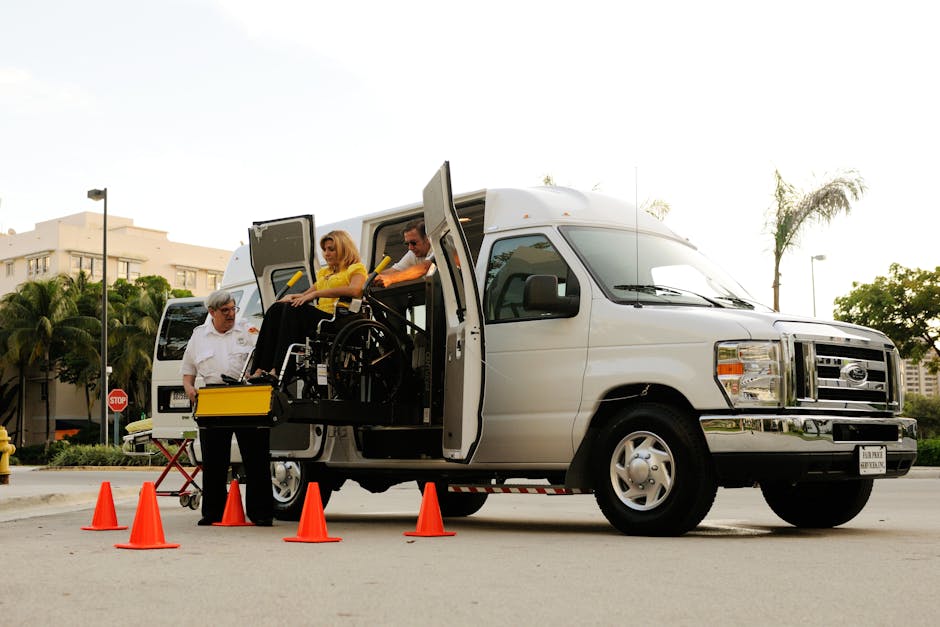
- Will the crew need a trolley, ramp, or extra carrying time?
- Is there a lift, stairwell, or internal corridor that affects loading?
That route should be tested in your mind before moving day. In a lot of cases, a small difference in parking position changes the whole rhythm of the move. Two metres can matter. Honestly, sometimes it is the difference between everyone staying cheerful and everyone becoming silent and a bit sweaty.
A good removals team will usually ask about access when you book. If they do not, bring it up yourself. Say what type of property it is, whether the van can stop outside, and whether there are any known restrictions. If you want more context on how a professional approach is usually organised, the about us page gives a sense of the company background and working style.
Key Benefits and Practical Advantages
There is more to access planning than saving a few minutes. When done well, it changes the whole feel of the move.
- Less carrying distance. That means fewer drops, fewer pauses, and less strain on everyone.
- Lower damage risk. A shorter, clearer route is easier to protect with blankets, floor runners, and careful handling.
- Better timing. If the van is parked properly, loading and unloading happen in a clean sequence rather than a stop-start shuffle.
- Less neighbour friction. Good parking etiquette keeps access calm in a shared estate environment.
- Smarter van choice. Once you know the route, you can choose a vehicle size that fits the space rather than forcing the issue.
There is also a financial angle. Access problems can add labour time, and labour time tends to be where costs quietly creep upwards. A move that should have been smooth can become more expensive simply because the van could not get close enough. So yes, access planning is a logistics issue, but it is also a budget issue.
That is why some people prefer a smaller, more agile setup when moving in denser residential areas. If you are weighing up service style, the comparison in man with a van as a budget-friendly relocation option and the advantages of hiring a removal company can help you decide what level of support is actually worth paying for.
Expert summary: if access is tight, the winning move is usually not "try harder"; it is "plan smarter." Choose the right van, reserve the right space, and keep the load pattern simple.
Who This Is For and When It Makes Sense
This guide is for anyone moving from a block, estate, or residential development where van access is not completely straightforward. That includes first-time movers, tenants, homeowners, students, downsizers, and people moving out of flats with shared entrances or limited parking.
It makes particular sense if you are dealing with any of the following:
- a narrow road or busy one-way street
- a courtyard, shared driveway, or internal estate road
- resident parking that needs careful timing
- a top-floor flat or a long internal walk
- large furniture that will need careful turning and manoeuvring
- a move with children, pets, or elderly relatives where the day needs to stay calm
If you are moving a smaller household, you may also want to read man and van services explained for your smaller move and how to find a man and van service. Those are especially relevant if you do not need a full truck but still want professional help.
It also makes sense for people handling a mixed move, where some items go into storage, some into the van, and some are left behind. A quick, clean access plan becomes even more useful in that situation because the loading order matters. You do not want the kettle in the van before the sofa if the sofa is blocking half the stairwell. Been there? Most movers have, at least once.
Step-by-Step Guidance
1. Walk the route before the van arrives
Start at the property entrance and walk the exact route you expect the team to use. Look for narrow gates, uneven paving, stairs, sharp turns, low obstacles, and anything that would slow a trolley. If it feels awkward for you, it will feel awkward with a heavy cabinet.
2. Decide where the van should stop
Pick the safest legal stopping point with the shortest practical carry distance. That may be a resident bay, a loading point, or a nearby side street. What matters is whether the load can move without constant blocking or risky manoeuvring.
3. Check timing and parking realities
In London, timing can make or break access. Early morning often gives you more breathing room, while later hours can mean more parked cars and more pedestrian traffic. If your building has a busy rhythm, choose a window that avoids school run noise, bin collection chaos, or the lunchtime rush. Yes, those little things are annoyingly real.
4. Measure larger items against the route
Do not just think about box counts. Think about the sofa, mattress, wardrobe, bike, and any awkward item that may need tilting or turning. If it barely fits through your front door, it may need a different exit strategy. For that kind of planning, knowing the hard-to-move items during a house removal is a good companion read.
5. Prep the property so access stays clear
Move shoes, bags, children's toys, and loose clutter out of the route. Protect corners and floors where needed. If there are communal doors or lift panels, keep them open and supervised only if allowed. The goal is to remove small friction points before they become frustrating delays.
6. Load in a sensible order
Heavy and stable items go in first. Fragile or awkward items should be secured where they will not get crushed. If you want a refresher on the practical side of loading, how to properly load and unload the move is worth a look.
7. Keep one person focused on access
On moving day, somebody needs to watch the route, the van position, and the building flow. They do not have to lift boxes all day. In fact, it is often better if they do not. One calm pair of eyes can stop a lot of unnecessary back-and-forth.
Expert Tips for Better Results
Here is the practical advice that tends to save the most time in real moves.
- Book access before you book optimism. If you think the van can park "probably fine," double-check it.
- Have a backup stopping point. One space may be blocked when you arrive. A second option reduces panic.
- Use labels that match the route. If items from the bedroom need to come out first, label them clearly.
- Keep a slim first-load zone near the door. The nearer the staging area is to the exit, the less clutter builds up.
- Protect shared spaces. Hallways, lifts, and entrances deserve a bit of care. Nobody likes a scratched wall or a muddy stair.
- Communicate simply. Short instructions work best on moving day. Long speeches do not. Everyone is busy and slightly tired.
One small but valuable tip: if your move includes a lot of boxed items, use similar-sized boxes where possible. It makes stacking safer and makes the van load cleaner. This is covered nicely in how to use boxes effectively and why strong cardboard boxes matter on removal day.
Another practical point: if you are moving a kitchen, keep essentials and fragile items well separated. Kitchens are where a lot of moving-day chaos quietly lives. Mugs, tins, and glassware have a way of multiplying at the worst time. For that reason, preparing your kitchen for a house move and packing and moving the kitchen are both worth reviewing.
Common Mistakes to Avoid
The biggest access mistakes are usually simple, which is irritating because they are so avoidable.
- Assuming a van can just "pull up outside." That may be true on a quiet Sunday. It may be false by 8 a.m. on a weekday.
- Ignoring turning space. A vehicle may fit in the street but not be able to turn safely.
- Forgetting about parking restrictions. A legal parking decision is not always a practical one.
- Not clearing the internal route. A tidy van route means little if the hallway is packed with loose items.
- Choosing the wrong van size. Too small means extra trips. Too large may be a headache in tight streets.
- Leaving the access briefing until the driver arrives. That is how delays happen.
A surprisingly common one is overpacking boxes. It feels efficient in the kitchen, then becomes miserable at the doorway. If you need a reminder, tips on how to pack when moving and packing to move home efficiently can help you keep box weights sensible.
Another mistake is forgetting the aftermath. Once the move is done, people often drop the plan and start hunting for the coffee pods. Not ideal. A better approach is to think through the first hour in the new place as part of the move itself. That is where things you should do after you move becomes useful.
Tools, Resources and Recommendations
You do not need a pile of specialist kit to manage access well, but a few simple tools help a lot.
- Measuring tape: useful for checking doorway widths, stair landings, and any awkward corners.
- Notebook or phone notes: keep parking details, access codes, and contact names in one place.
- Protective materials: blankets, corner guards, and floor protection are worth having to hand.
- Furniture straps and trolleys: ideal for longer carries and heavier items.
- Labels and markers: these keep the move organised when everything starts looking like a sea of brown boxes.
For a smoother overall move, the wider planning articles on your removals checklist and making a removals timetable are a strong pairing with this access guide. They help you tie the access plan into the rest of the move.
If you are comparing service styles, moving DIY or calling a moving company is a helpful decision-making article. It is especially useful if you are trying to work out whether the access challenges are small enough to handle yourself or better left to professionals.
Law, Compliance, Standards, or Best Practice
For this type of move, the main compliance issues are practical rather than complicated. You are usually dealing with parking rules, safe loading, property rules, and general duty of care. The exact requirements will depend on the building, street, and any local restrictions in force on the day.
Best practice usually means:
- parking only where the vehicle is legally allowed to stop
- not blocking emergency access, pedestrian routes, or resident entrances
- keeping the loading process as safe as possible for everyone involved
- following any building rules for lifts, service entrances, or communal areas
- handling furniture and boxes with reasonable care to avoid damage or injury
If you are using a professional removals team, they should already work in line with standard moving-day safety practices. You can also review company policies and service information on health and safety policy, insurance and safety, and terms and conditions to understand how the job is approached. That is not just paperwork. It tells you what kind of care to expect.
For sustainability-minded moves, recycling and sustainability is also relevant, especially if you are reducing packaging waste or deciding what to keep, donate, or recycle before moving.
Options, Methods, or Comparison Table
Different access setups call for different approaches. The right choice depends on how tight the estate is, how much you are moving, and how much carrying you want to do yourself.
| Approach | Best for | Pros | Trade-offs |
|---|---|---|---|
| Van can park close to the entrance | Short moves, smaller flats, easy access | Fast loading, fewer trips, lower strain | Still needs careful parking and timing |
| Van stops nearby, trolley used for carry | Shared estates, side streets, controlled access | Good balance of flexibility and practicality | More handling time, extra route planning needed |
| Remote parking with longer carry distance | Restricted streets or limited bays | Can work when access is tight | Slower, more tiring, higher risk of delay |
| Professional move with access-managed loading | Busy or awkward properties, larger loads | Less stress, more efficient, better handling | Usually costs more than self-moving |
If you are moving a flat or a family home, it can help to compare service types before deciding. The articles on the advantages of hiring a removal company and man and van versus larger removal support are good next reads.
Case Study or Real-World Example
Picture a fairly ordinary move: a two-bedroom flat in an estate, a van booked for late morning, and a lift that is shared with other residents. Nothing dramatic, nothing glamorous. Just a normal London move, which is usually where the small issues hide.
The first mistake would be to assume the van can wait anywhere near the entrance. In reality, the best stopping point might be a marked bay around the corner, ten to fifteen metres from the door. That is still manageable, but it changes the load pattern. The team now needs a clear path, a trolley ready for the heavier items, and someone to keep an eye on pedestrians entering and leaving the block.
On a day like that, the move goes best when:
- the access route is checked the day before
- the key furniture is loaded first
- fragile boxes are separated from heavy boxes
- the hallway is kept clear
- one person is assigned to handle the building entrance and timing
A client in that kind of setup usually notices the difference halfway through the morning. The calm move is not magic. It is just a stack of small decisions that happen to be in the right order.
If you are dealing with a similar moving pattern, relocating from Acton and short-distance removals near the Olympic Park can give you a sense of how local moves benefit from careful route planning. Nearby areas often share the same access realities, even if the streets look different on the map.
Practical Checklist
Use this before the van arrives. It is simple, but it works.
- Confirm the van size and whether it can reach the property safely.
- Check parking restrictions, resident bays, and any time limits.
- Walk the route from van to door and remove obstacles.
- Measure doors, corridors, lifts, and stair turns if anything looks tight.
- Prepare floor protection and corner protection where needed.
- Keep access codes, entry instructions, and contact details ready.
- Label heavy, fragile, and priority boxes clearly.
- Make a backup plan for parking if the first space is taken.
- Tell neighbours or building management if the move might affect shared access.
- Set aside essentials so they are not buried at the bottom of the van.
If you want a fuller pre-move preparation flow, necessary things to do before the moving date and creating a moving day checklist make a solid companion pair.
One-line reminder: the best access plan is the one that lets people keep moving without stopping every thirty seconds to rethink the route.
Conclusion
Clapton estate removals access for vans is really about reducing friction. When the van can get close enough, the route is clear, and the loading plan is sensible, the whole day feels lighter. Fewer carries, fewer delays, fewer "where did we put the trolley?" moments. That is what most people want, even if they do not say it quite that way.
The good news is that access planning is not complicated. It just asks for a bit of patience and a few practical checks before moving day. Walk the route, think about parking, match the van size to the space, and keep the route from door to vehicle clean and simple. Do that, and you remove a surprising amount of stress before it has a chance to build.
Get a free quote today and see how much you can save.
If you are still deciding how much support you need, look through the wider moving advice on making moving home stress free and the best tips for house removals. A little preparation now can save a lot of legwork later. And let's face it, nobody misses carrying a mattress down a long estate path twice.
Frequently Asked Questions
How do I know if a van can access my Clapton estate properly?
Start by checking the width of the approach, any gates or bollards, parking restrictions, and how far the van would be from your front door. If in doubt, assume the route needs a test walk and possibly a backup parking plan.
What if the van cannot park right outside the building?
That is common in London. The move can still work if there is a nearby stopping point and a safe, clear route to the entrance. The main thing is to estimate carry distance early so you are not surprised on the day.
Should I book a smaller van for tighter estate access?
Sometimes, yes. A smaller van is often easier to place in a busy residential setting, especially where turning space is limited. But the right size depends on both access and load volume, so do not shrink the van so much that you create extra trips.
Do I need to tell building management before moving?
Usually it helps, especially if the building has shared entrances, service lifts, or specific moving rules. A quick heads-up can prevent awkward moments and make access easier for everyone involved.
How much time should I allow for a van-based move in an estate?
It depends on the distance from the van to the door, the amount of furniture, and whether stairs or lifts are involved. A short flat move can be quick, but an awkward access route can easily add a lot of time.
What items are most affected by poor van access?
Large furniture, wardrobes, mattresses, appliances, and heavy boxed items tend to feel it most. If the route is long or uneven, these items slow the move down and increase the chance of knocks or strain.
Is access planning more important for DIY moves or professional moves?
For both, really. DIY movers feel the strain more directly, while professional crews still need clear access to keep the job efficient. Either way, the route from van to door is a major part of the move.
How can I protect communal areas during a move?
Use floor protection where appropriate, avoid blocking entrances, and keep boxes and furniture moving rather than resting in shared corridors. A tidy route usually means fewer complaints and less accidental damage.
What should I do if I am moving with children or pets?
Keep them out of the access route, ideally with someone else supervising them. A busy entrance can become risky very quickly, so a calm waiting space is usually the best choice.
Can I use this guide for a flat move as well as a house move?
Absolutely. In fact, flat moves often benefit the most from access planning because they are more likely to involve shared entrances, stairs, lifts, and tighter parking conditions.
How do I avoid delays on moving day?
Confirm parking, clear the route, label your items properly, and make sure everyone knows where the van should stop. If possible, have a second parking option ready too. Small backup plans save the day more often than people expect.
Where can I read more about choosing the right moving help?
You may find it useful to look at choosing a good moving company and why choose self-service truck over a full-service moving truck. Those articles can help you decide what level of support fits your move.